Landscape & Design
Transform Your Outdoors: The Art of Landscape & Design
Creating a beautiful, functional outdoor space is more than just planting a few flowers or placing some furniture. **Landscape design** is an art that blends nature with structure, combining creativity and functionality to enhance your environment. Whether you want to create a serene backyard retreat or a stunning front yard that makes a statement, the key to a successful landscape lies in thoughtful planning and execution.
Why Landscape & Design Matter
The exterior of your home is the first impression people get of your style and personality. A well-designed landscape adds visual appeal, increases property value, and creates a space that you can enjoy year-round. From lush gardens and elegant patios to cozy fire pits and outdoor kitchens, landscape design allows you to express your unique taste and lifestyle.
Moreover, landscaping can improve the environment by reducing water runoff, providing habitats for wildlife, and even lowering energy costs by creating natural shade or windbreaks.
Elements of Landscape & Design
Effective landscape design takes into account several important elements to create a balanced and harmonious space. Here are the key components:
1. Plants & Greenery
The right plants can breathe life into any space. From vibrant flowers to evergreen shrubs and trees, choosing the right plants for your climate and soil type is essential. Landscaping with a mix of colors, textures, and seasonal varieties can ensure your garden looks beautiful year-round.
2. Hardscaping
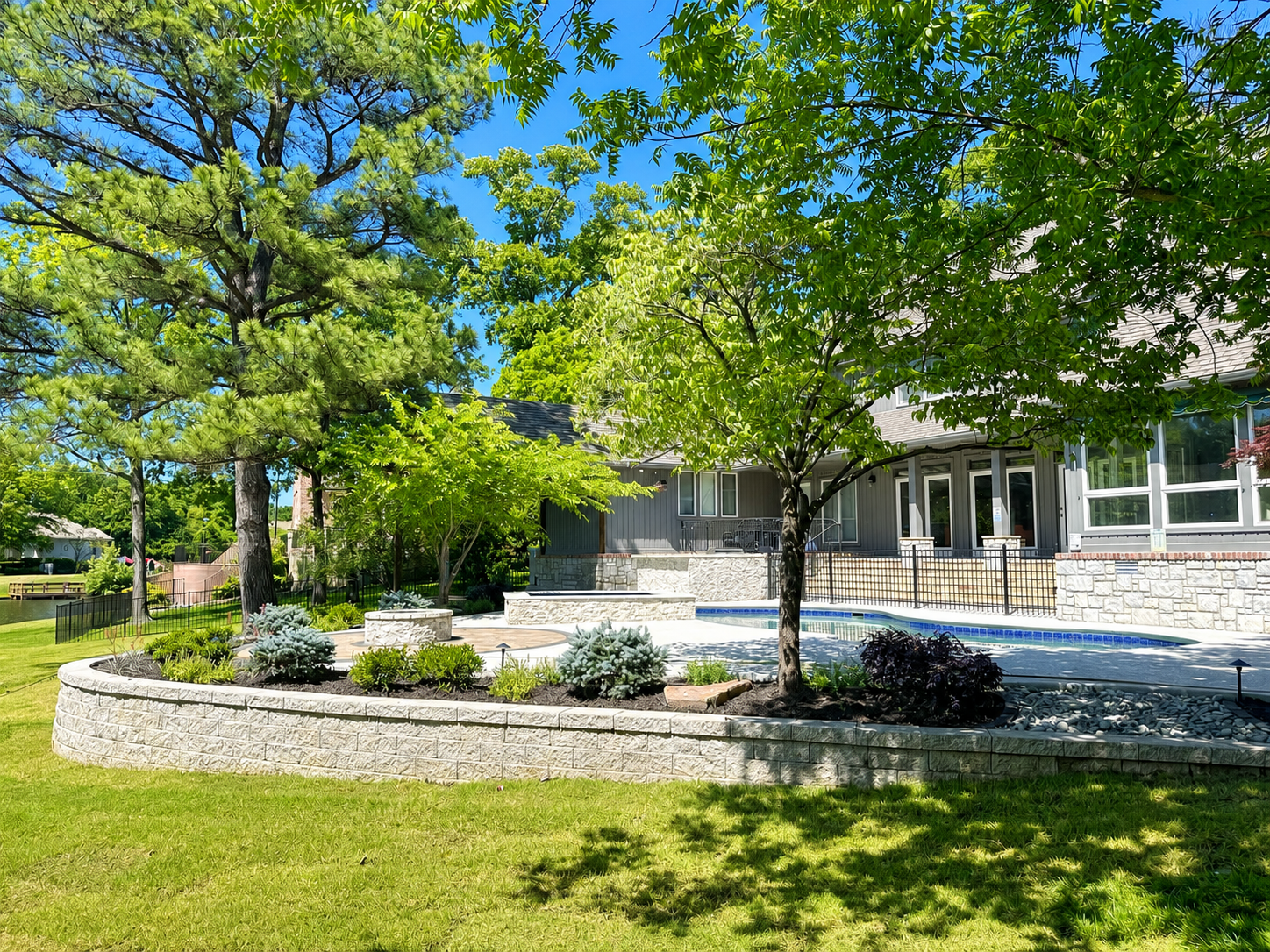
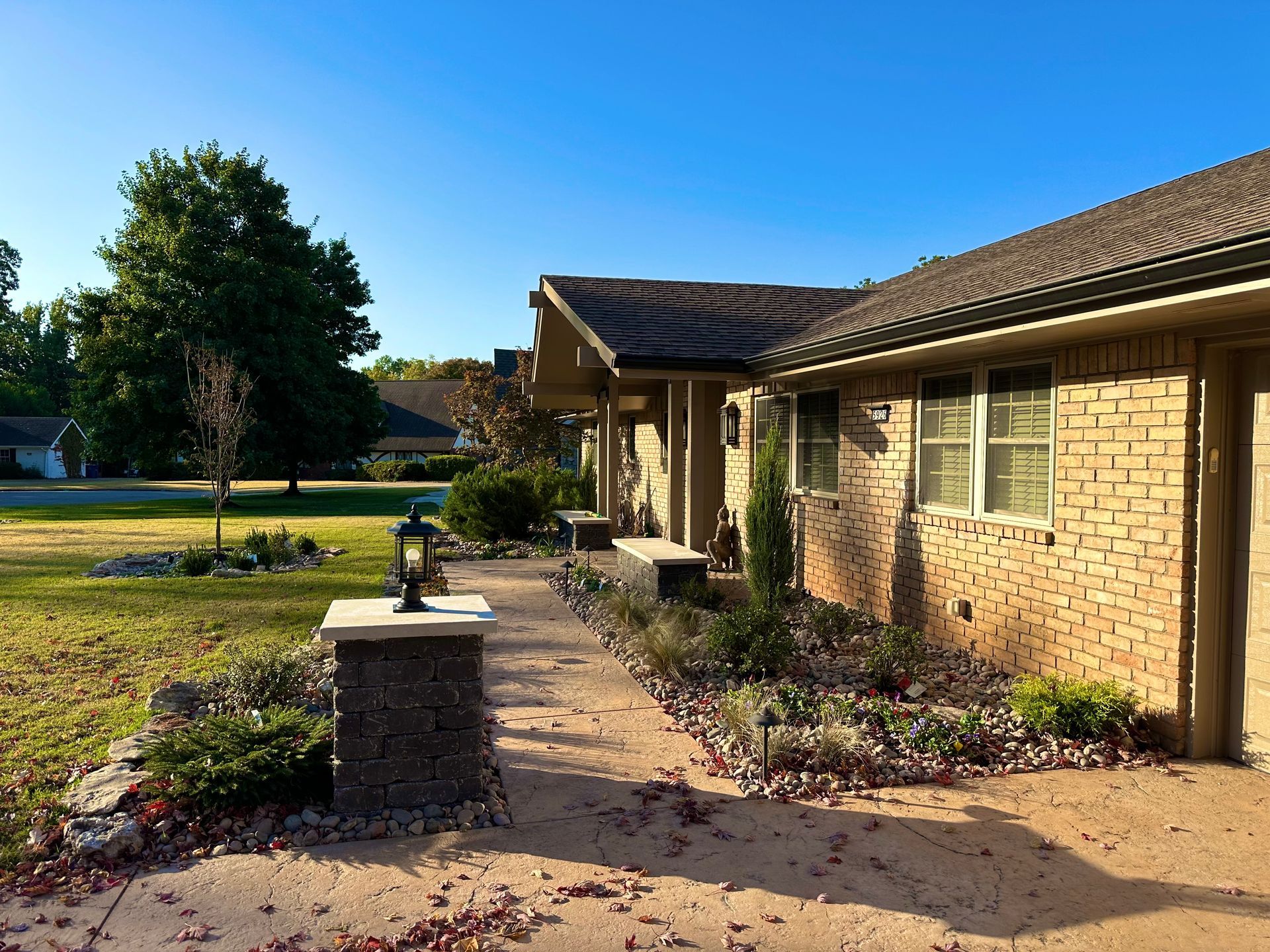
Hardscaping refers to non-plant elements like patios, walkways, walls, and fences. These elements provide structure and functionality while enhancing the overall aesthetic. A well-designed patio, for example, can become the perfect place for family gatherings or relaxing evenings.
3. Water Features
Adding a water feature, such as a fountain, pond, or waterfall, introduces a soothing sound element and creates a focal point. Water features also attract wildlife like birds and butterflies, enhancing the natural beauty of your outdoor space.
4. Lighting
Outdoor lighting not only extends the usability of your space after sunset but also creates ambiance. Strategically placed lights can highlight architectural features, illuminate paths, and create a magical atmosphere for evening gatherings.
5. Sustainability
Sustainable landscaping practices are essential for protecting the environment and reducing maintenance. Using drought-resistant plants, minimizing lawn areas, and installing efficient irrigation systems are all great ways to create an eco-friendly garden that conserves water and energy.
The Process of Landscape & Design
1. Consultation & Planning
The first step is a thorough consultation to understand your needs, preferences, and the environment you’re working with. This helps in creating a personalized plan that meets your lifestyle while considering factors like climate, soil, and sun exposure.
2. Design Creation
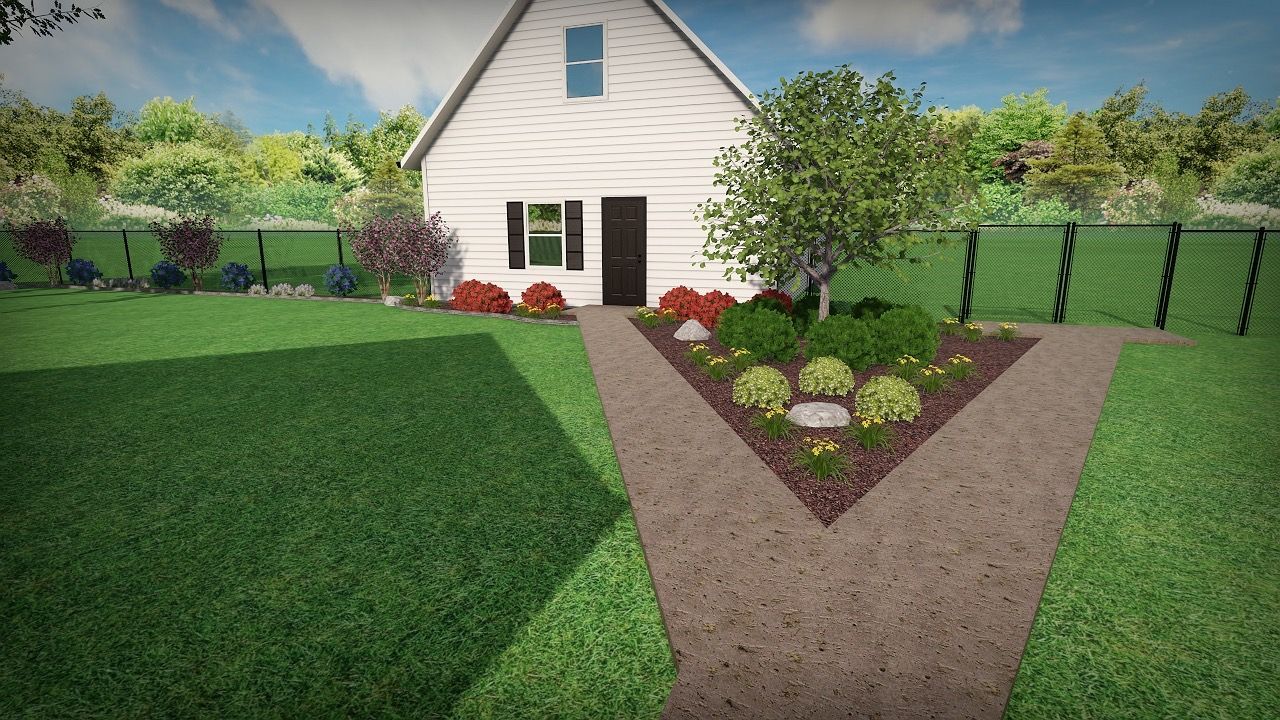
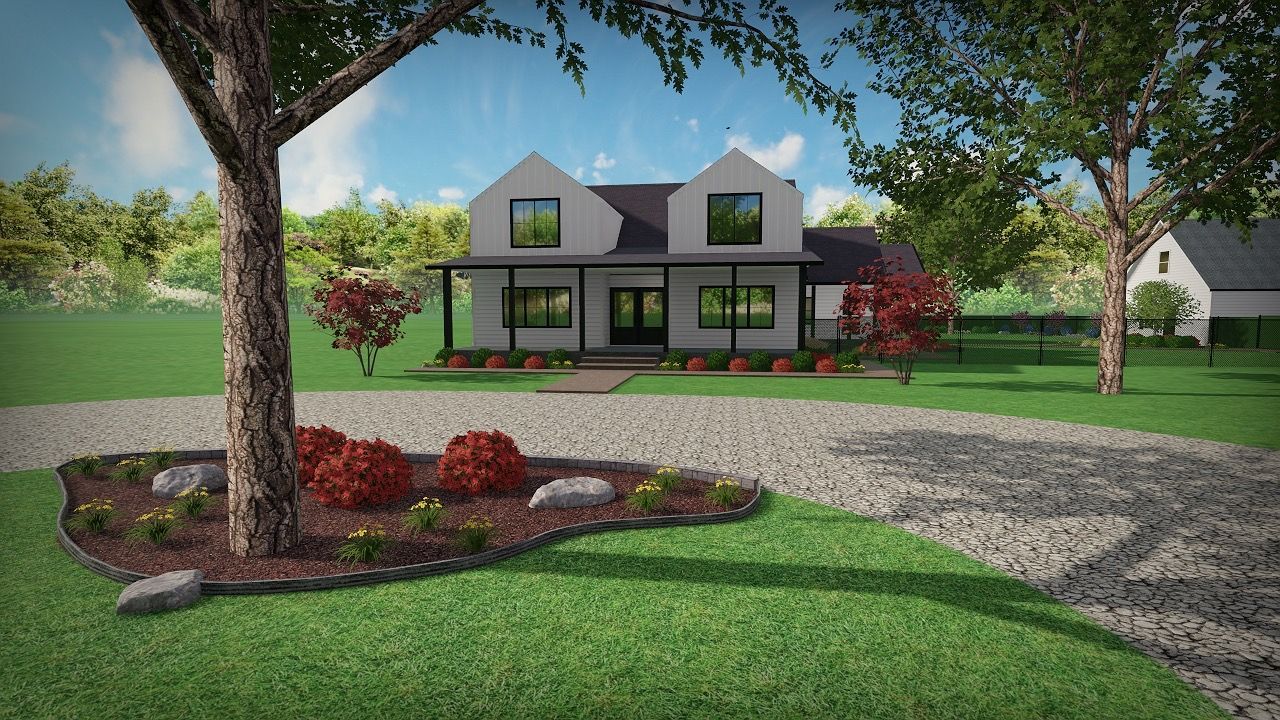
Once a plan is in place, the designer develops a layout that incorporates all the elements mentioned above. This phase involves creating sketches or 3D renderings to visualize how the space will look once completed.
3. Installation & Execution
The installation phase brings your vision to life. Professional landscapers handle planting, hardscaping, irrigation installation, and other essential tasks to ensure everything is executed to perfection.
4. Ongoing Maintenance
Landscaping is an ongoing process. Regular maintenance ensures that your plants stay healthy, hardscaping remains in good condition, and any necessary adjustments are made as the seasons change.
Why Choose Professional Landscape Design?
While DIY landscaping can be rewarding, working with a professional designer offers many benefits. Experts have the knowledge and experience to create a cohesive design that maximizes your outdoor space’s potential. They also have access to high-quality materials and resources that may not be available to the average homeowner.
In addition, professionals can save you time and money by avoiding common mistakes and ensuring your landscape thrives over the long term. They also bring creativity and innovation to the table, helping you achieve a design that stands out.